A Professional Conversation Prep Sheet: Context, Contribution, and Next Step
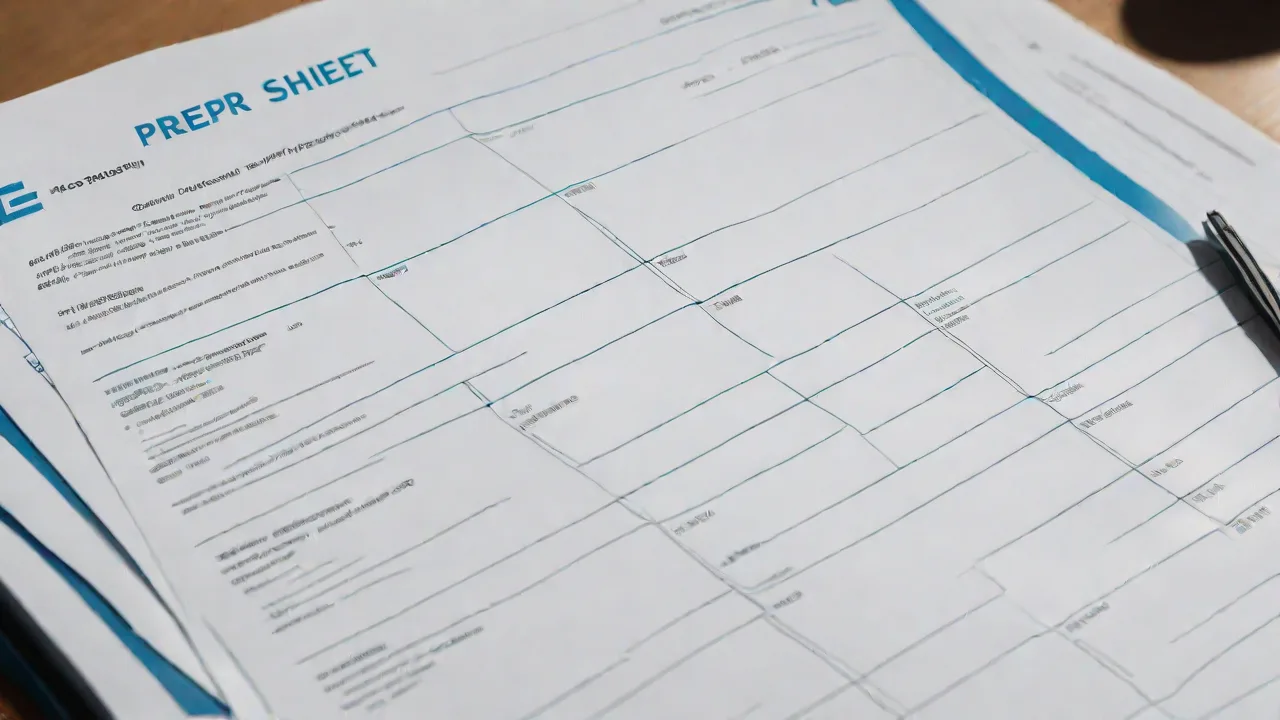
A Professional Conversation Prep Sheet: Context, Contribution, and Next Step
Professional conversations can be easier to navigate when the purpose is clear before they begin. A short preparation note will not guarantee a job, promotion, mentoring relationship, or agreement. It can, however, help you enter a conversation with a focused question, relevant context, and a respectful next step.
This worksheet is designed for informational conversations about work, learning, projects, or professional interests. Adapt it to the setting and relationship. Do not use it as a script that overrides an employer’s policies, another person’s time, or your own judgment.
1. Name the context
Write one or two sentences describing why this conversation makes sense now. Be specific about the shared context: a role you are researching, a project you observed, a skill you want to understand, or an event where you met. Specific context helps the other person see why their perspective is relevant.
Example: “I am comparing roles that involve coordinating cross-functional projects. Your presentation described how your team organizes handoffs, and I would like to understand the skills that matter most in that setting.” This is different from a broad request for someone to “tell me everything about their career.”
2. Prepare a concise introduction
Your introduction can include your current context, the subject you are exploring, and the reason you are asking this person. Keep it factual. You do not need to compress your entire history into an opening statement. A useful test is whether the introduction gives the listener enough information to answer your first question.
O*NET and My Next Move organize occupation information around tasks, skills, interests, and work characteristics. Reviewing that kind of public information before a conversation can help you avoid asking questions that a profile already answers and reserve the conversation for experience-based context.
3. Choose two or three questions
Open-ended questions invite perspective without asking the other person to make decisions for you. Select only the questions that are appropriate for the time available.
- Which tasks take the most attention in a typical project cycle?
- What skills do newcomers often need to strengthen in this type of work?
- What information would you verify before deciding whether to pursue this path?
- How does collaboration work across the teams involved?
- What is one source you would recommend for learning more about this field?
Questions about compensation, confidential work, hiring decisions, or personal circumstances may not be appropriate in every setting. Consider the relationship, the meeting purpose, and the other person’s boundaries.
4. Identify a contribution
A conversation is not a transaction, and you do not need to offer a favor in exchange for someone’s time. Still, it can help to be prepared to contribute clarity, preparation, and follow-through. You might share a relevant resource, bring a concise question, or summarize what you learned afterward. Avoid promising work, referrals, or outcomes that are not yours to provide.
5. End with a bounded next step
Close by identifying what you will do with the information. A bounded next step could be reviewing a source, comparing another occupation profile, practicing a skill in a current project, or deciding whether more research is needed. If an additional conversation would be useful, ask rather than assume.
A short thank-you note can mention one specific insight and the step you plan to take. It does not need to create a continuing obligation for either person. Professional relationships develop over time and through mutual respect, not through a single perfectly executed conversation.
One-page prep template
- Context: Why am I asking this person about this subject?
- Question: What is the most useful thing I hope to understand?
- Research completed: What public information have I already reviewed?
- Two to three prompts: What experience-based questions remain?
- Boundary: What information is not appropriate to request here?
- Next step: What will I do after the conversation?